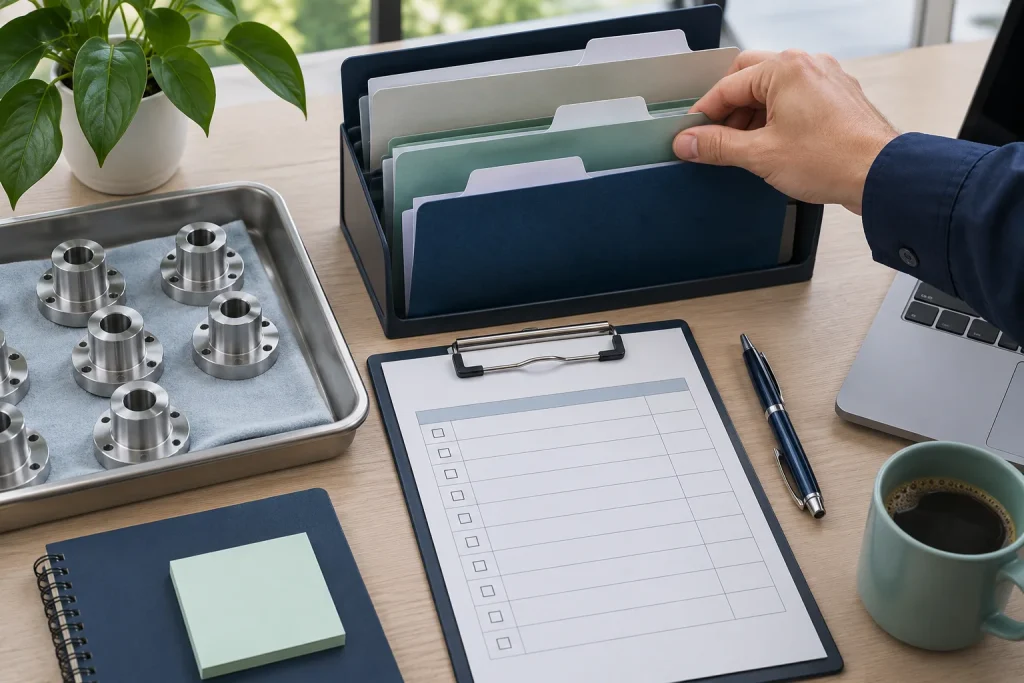
An internal audit is easier to organize when everyone understands what will be reviewed and why. A short planning conversation can help the audit team and process owners use their time well.
QMS Professionals provides internal audit and MDSAP readiness support with a scope based on the organization, its processes and the requirements relevant to the engagement. The suggestions below illustrate the kind of preparation a team can discuss before the audit begins.
Give the audit a clear purpose
Start with the reason for the review. You may want a closer look at a process, follow up on previous findings, or understand how a recent operational change has been put into practice.
Write the objective in a few sentences. A clear objective helps determine who should take part, which activities need to be observed and what evidence will be useful.
- Confirm the processes and locations included in the scope.
- Identify the criteria to be used for the agreed review.
- Discuss significant changes and previous findings.
- Agree the time available and who needs to be involved.
Bring the right process owners into the conversation
The person who maintains a procedure may have a different view from the people who use it every day. Plan time with the roles needed to explain the process and show how work is performed.
A simple schedule helps avoid interruptions and missing handovers. Share it early enough for the team to raise practical issues, such as shift patterns, production availability or access to records.
Make responsibilities easy to understand
Agree who will coordinate documents, arrange interviews and help with questions during the review. That does not mean rehearsing answers. It means making the process and its evidence accessible.
Organize evidence around the work
Gather current procedures and a sensible selection of records for the agreed scope. Keep them in an arrangement that process owners can navigate. An organized folder is more useful than a large collection with no clear connection to the review.
| Preparation topic | A useful starting question |
|---|---|
| Process description | How is the work intended to happen? |
| Implementation evidence | What records show how the work was carried out? |
| Responsibilities | Who makes decisions and completes the handovers? |
| Previous actions | What has changed since the last review? |
Discuss what needs to be seen onsite
Document reviews and some interviews may be suited to remote delivery. Manufacturing observations, physical controls or other activities may call for an onsite visit. Discuss these needs when defining the scope.
The aim is to choose a method that supports the agreed review. Practical arrangements, confidentiality and access to information should be addressed before the audit starts.
Leave time for the next steps
Agree how findings will be presented and who will coordinate follow up. A useful closing conversation helps the team understand the observations, clarify the evidence and plan its own actions.
To discuss an internal audit, share the relevant processes, standards, locations and preferred timing with QMS Professionals. These details help shape a proposal that fits the work required.